
Your Guide to Maintaining Your HVAC System
Your HVAC system plays a vital role in keeping your home comfortable throughout the year. Whether it is heating your home during the winter or cooling it during the summer, the system works constantly to maintain a stable indoor environment. Because HVAC equipment operates so frequently, it requires consistent care to function efficiently and reliably.
Routine maintenance can significantly extend the lifespan of your heating and cooling system. According to This Old House, most HVAC systems last up to 20 years with proper maintenance. By following a few key maintenance practices and addressing HVAC repairs when necessary, homeowners can protect their investment while ensuring their system continues to operate smoothly.
Replace Air Filters Regularly
One of the easiest and most effective maintenance tasks homeowners can perform is replacing the air filter. Air filters trap dust, pollen, and other airborne particles that circulate through the HVAC system. When filters become clogged, airflow is restricted, and the system must work harder to heat or cool the home.
Changing filters every one to three months helps maintain proper airflow and reduces strain on the equipment. Clean filters also improve indoor air quality and allow the system to operate more efficiently. Keeping up with filter replacements can reduce the likelihood of unnecessary HVAC repairs and help maintain consistent comfort in the home.
Keep Vents and Registers Clear
Blocked vents and registers can interfere with proper airflow throughout the home. Furniture, rugs, or household items placed in front of vents may prevent heated or cooled air from circulating effectively. When airflow is restricted, the HVAC system must work harder to maintain the desired temperature.
Homeowners should regularly inspect vents and registers to ensure they remain unobstructed. Keeping these openings clear allows air to move freely throughout the home and helps maintain balanced temperatures in every room. Proper airflow also reduces the likelihood of system strain that could eventually require HVAC repairs.
Schedule Professional System Inspections
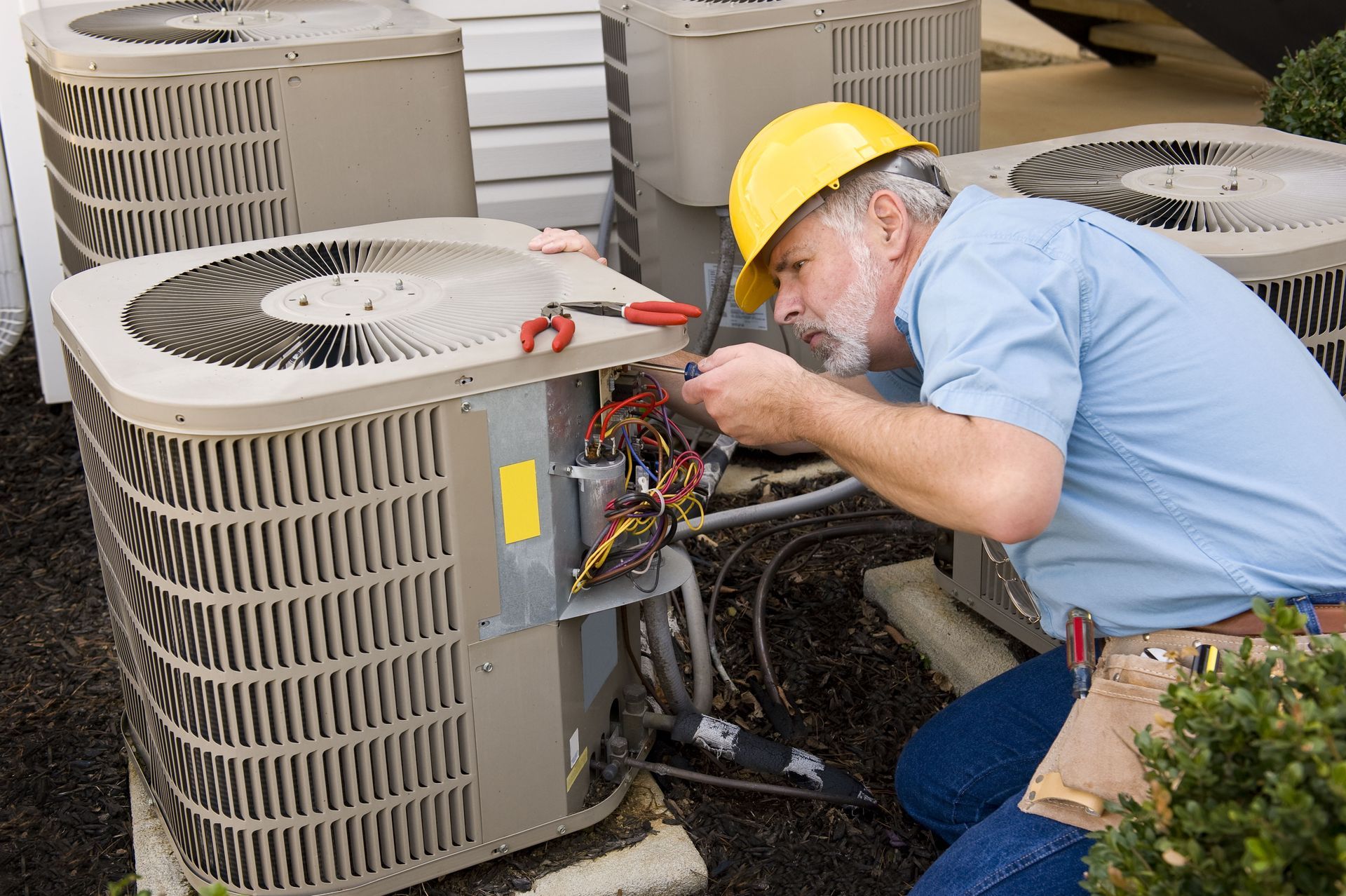
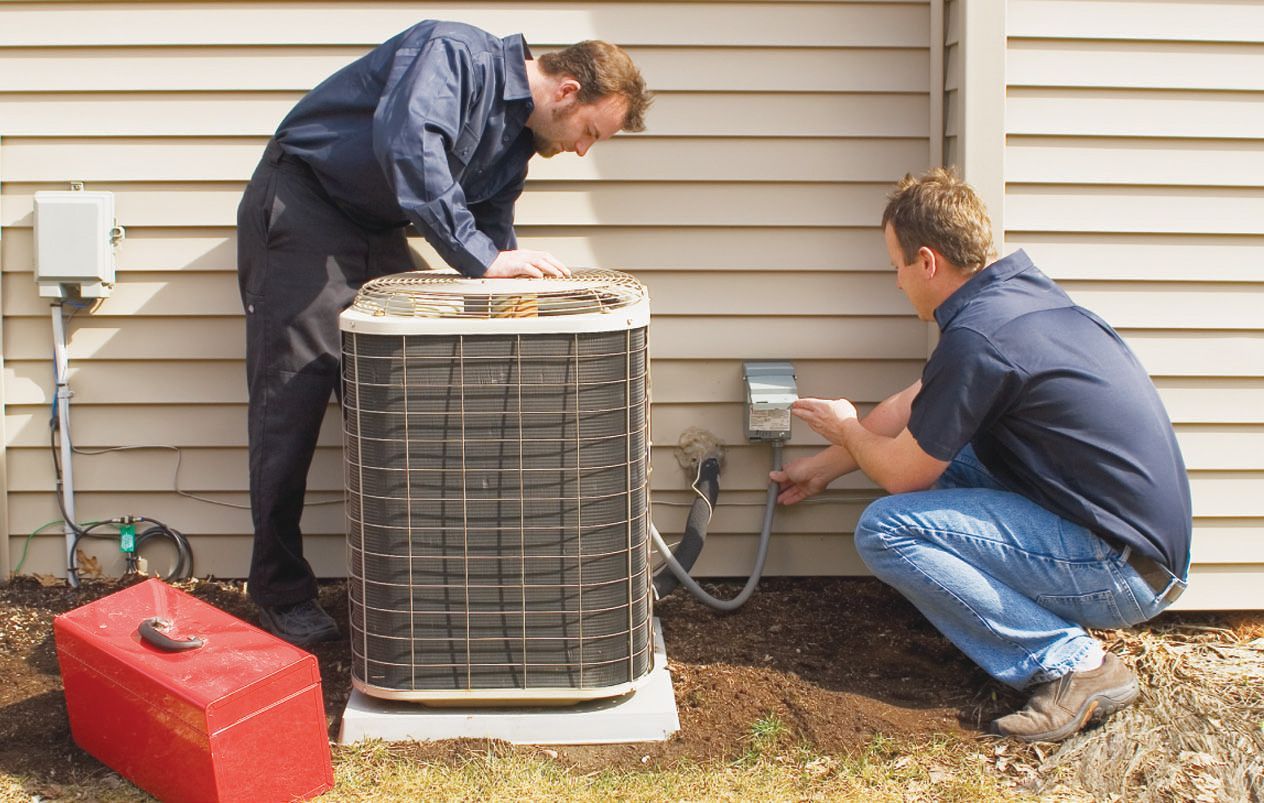
Professional inspections are an important part of maintaining a reliable HVAC system. During an inspection, technicians evaluate key components such as the thermostat, electrical connections, motors, and refrigerant levels. Identifying potential issues early can prevent small problems from developing into major system failures.
Many homeowners schedule inspections at least once a year, typically before the heating or cooling season begins. Regular inspections help ensure the system is prepared for heavy usage during extreme temperatures. Addressing issues early can reduce the need for costly HVAC repairs later on.
Clean the Outdoor Condenser Unit
The outdoor condenser unit is responsible for releasing heat from the cooling process. Because it is exposed to the outdoor environment, debris such as leaves, dirt, and grass clippings can accumulate around the unit. When airflow around the condenser becomes restricted, the system’s efficiency can decrease.
Homeowners should periodically check the outdoor unit and remove debris that may be blocking airflow. Keeping the surrounding area clear allows the system to operate more effectively. Proper maintenance of the condenser unit can help prevent overheating and reduce the likelihood of HVAC repairs.
Monitor Your Thermostat Settings
The thermostat controls how often the HVAC system turns on and off throughout the day. Incorrect settings or outdated thermostats can cause the system to run longer than necessary, increasing wear on important components. Monitoring thermostat settings can help maintain consistent comfort while improving energy efficiency.
Many homeowners choose programmable or smart thermostats that automatically adjust temperatures based on daily schedules. These devices help reduce unnecessary system usage and improve overall efficiency. Proper thermostat management can help prevent excessive strain that may eventually require HVAC repairs.
Inspect Ductwork for Leaks
Ductwork carries heated or cooled air throughout the home, making it an essential part of the HVAC system. Over time, small leaks or gaps can develop within the duct system. These leaks allow conditioned air to escape before reaching its intended destination, reducing overall efficiency.
Inspecting ductwork periodically can help identify areas where air may be leaking. Sealing these gaps improves airflow and ensures the system delivers consistent temperatures throughout the home. Maintaining ductwork helps reduce unnecessary energy consumption and limits the potential need for HVAC repairs.
Pay Attention to Unusual Sounds or Odors
Unusual sounds or odors coming from the HVAC system often indicate that something is not functioning properly. Grinding, banging, or squealing noises may signal mechanical issues within the system. Similarly, strange odors could indicate electrical problems, mold growth, or clogged components.
Homeowners should never ignore these warning signs. Contacting a professional technician as soon as unusual symptoms appear can prevent further damage. Addressing issues promptly often results in smaller and more affordable HVAC repairs compared to waiting until the problem becomes more serious.
Keep Drain Lines Clear
HVAC systems produce condensation as part of the cooling process. This moisture typically drains away through a condensate drain line. Over time, these lines can become clogged with debris, algae, or mineral buildup, which may lead to water leaks or moisture damage.
Keeping the drain line clear ensures that condensation is properly removed from the system. Routine cleaning or inspection can prevent blockages that might lead to water damage around the HVAC unit. Proper drainage helps maintain system performance and reduces the need for HVAC repairs related to moisture issues.
Maintain Consistent System Usage
Frequent cycling of the HVAC system can place additional strain on key components. Constantly adjusting thermostat settings or turning the system on and off repeatedly may cause unnecessary wear. Maintaining consistent temperature settings helps the system operate more efficiently.
Allowing the system to maintain stable indoor temperatures reduces stress on internal components. This steady operation helps extend the lifespan of the equipment while improving overall performance. Consistent system usage can help minimize the frequency of HVAC repairs over time.
Address Small Problems Early
Minor HVAC issues often appear long before major system failures occur. Weak airflow, inconsistent temperatures, or longer run times can signal that something is not functioning as it should. Identifying these early warning signs allows homeowners to take action before the system experiences serious damage.
Scheduling professional service when small issues appear helps prevent larger and more expensive problems. Technicians can identify worn parts, airflow restrictions, or electrical concerns before they escalate. Prompt attention to these issues helps homeowners avoid major HVAC repairs and maintain reliable system performance.
Seal and Insulate Around Your HVAC System
Proper insulation and sealing around HVAC components can improve system efficiency and reduce energy loss. Gaps around duct connections, attic spaces, or areas where pipes and ducts pass through walls can allow conditioned air to escape. When this happens, the HVAC system must work harder to maintain the desired indoor temperature.
Sealing these gaps and ensuring adequate insulation around ductwork helps keep heated or cooled air inside the home where it belongs. This simple maintenance step can improve overall system efficiency and reduce energy costs. Preventing unnecessary energy loss also reduces strain on equipment and may lower the likelihood of future HVAC repairs.
Maintaining your HVAC system is essential for ensuring reliable comfort, energy efficiency, and long-term performance. Regular maintenance tasks such as replacing filters, scheduling inspections, and monitoring system performance can significantly extend the lifespan of your equipment. At Michael's Plumbing & Heating, Inc, our team is committed to helping homeowners keep their systems operating efficiently through professional maintenance and dependable HVAC repairs. If your system needs service or inspection, contact our team today to keep your heating and cooling system running at its best.
Share On: