
4 Signs You Need Professional Drain Cleaning Before a Major Backup Happens
The importance of regular drain maintenance is often underestimated until a major issue arises. Professional drain cleaning can help prevent serious plumbing problems that could lead to costly repairs or damage. Timely intervention by skilled professionals ensures that blockages are cleared, potential problems are identified, and future issues are prevented. Understanding these signs can help maintain the longevity and efficiency of a home's plumbing system.
1. Slow-Draining Sinks
Common Causes of Slow Drains
Slow-draining sinks are typically a consequence of accumulated debris within the pipes. Substances like soap scum, hair, grease, and food particles can develop into stubborn blockages over time. Such slow drainage is often noticed first in places like the kitchen and bathroom, where the use of water is frequent. Not addressing this can lead to a complete blockage, requiring emergency intervention. Regular cleaning routines or professional services can prevent the onset of similar drainage problems.
How to Determine if It's a Serious Issue
A serious drainage issue often presents itself with multiple symptoms across different drains. If sinks, bathtubs, or showers drain slowly simultaneously, it could indicate a systemic blockage rather than a localized problem. Inspecting the plumbing system for gurgling sounds or unpleasant odors can also provide clues. These symptoms suggest that a professional diagnosis is necessary to prevent escalation. Failure to do so might result in more significant and expensive plumbing repairs.
DIY Solutions and Their Limitations
Homeowners often try DIY solutions like plungers or chemical cleaners to address slow drains. While sometimes effective for minor clogs, these methods can damage pipes or fail to address the underlying problem. Chemical cleaners, for instance, can corrode pipes over time, creating more significant issues. They also pose health risks if mishandled and fail to distinguish between organic and inorganic blockages. Thus, they serve as temporary fixes rather than long-term solutions.
Professional Intervention Options
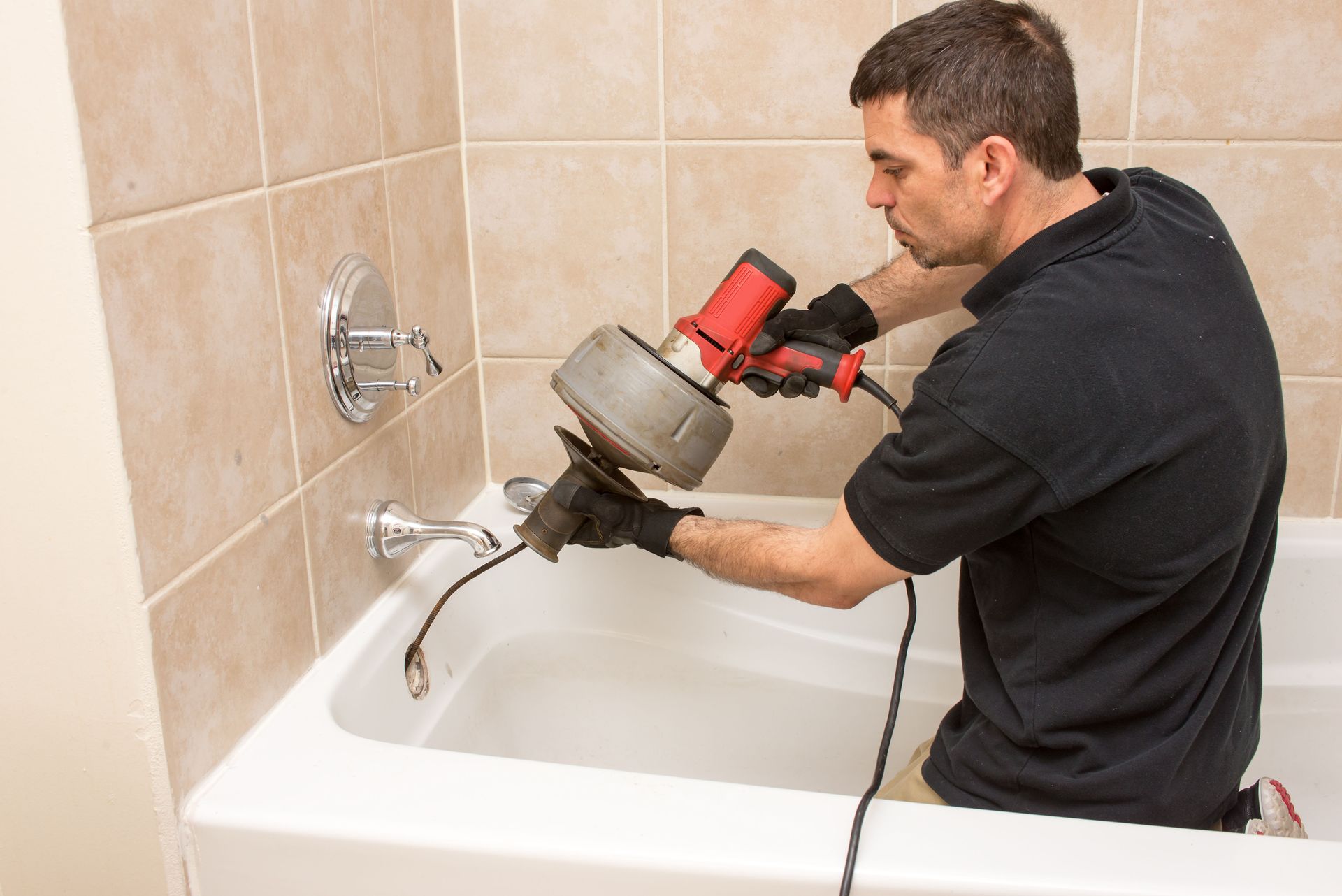
Professional interventions are typically more comprehensive and effective. Plumbers utilize specialized tools for drain cleaning, such as hydro-jetting and motorized drain augers, to clear blockages. Unlike DIY methods, these techniques can remove even the most stubborn or hard-to-reach clogs without damaging the plumbing system. A professional plumber can also conduct thorough inspections to diagnose systemic issues. The overall process not only addresses current problems but also strengthens the system against future blockages.
2. Recurring Clogs
Difference Between Normal and Frequent Clogs
It's normal for drains to clog occasionally due to everyday use. However, frequent clogs can be a cause for concern, indicating deeper issues within the plumbing system. Recurring clogs suggest that an initial blockage has not been fully resolved or that there is a systemic problem affecting the entire drainage system. Left untreated, this can lead to increased pressure on pipes and potential bursts. Early professional intervention can save unnecessary frustration and expense.
Underlying Causes of Persistent Blockages
Persistent blockages often result from improper disposal habits or structural issues within the plumbing system. Flushing non-degradable items such as wipes or sanitary products down the toilet can lead to severe clogs. Tree roots infiltrating underground pipes can also cause recurring problems. Additionally, old or poorly maintained pipes may contribute to ongoing blockage issues. Identifying the exact cause requires professional expertise and advanced diagnostic tools.
Identifying Problematic Areas in Your Plumbing
Identifying problematic areas requires a systematic approach to inspecting the plumbing system. This process includes checking for visible leaks, listening for unusual noises, and observing drainage behavior across various fixtures. Cameras and other diagnostic tools are often used by professionals to locate hidden clogs or structural issues. These advanced methods can effectively pinpoint problem areas that might not be obvious at first glance. Early identification facilitates targeted interventions, ensuring a more efficient resolution process.
Chemical Drain Cleaners: Pros and Cons
Chemical drain cleaning offers a quick and accessible solution for minor clogs. It works by dissolving debris through chemical reactions, which can appear effective initially. However, the aggressive nature of these chemicals poses significant drawbacks. They can weaken or damage pipes, especially if used frequently. Additionally, improper usage can pose health risks to users, limiting their overall benefit compared to professional alternatives.
3. Unpleasant Odors
Understanding Where Odors Originate
Unpleasant odors often originate from trapped debris decomposing within drains or sewer gases escaping through plumbing fixtures. These can result from food particles, hair, or other waste material caught in the pipes. Left unchecked, these odors may intensify, creating an uncomfortable environment and potential health hazards. Additionally, sewer line breaks can also cause odors to travel back into homes. Understanding the source of these smells is critical for addressing the issue effectively.
Immediate Steps to Mitigate Smells
To immediately mitigate unpleasant drain odors, homeowners can use simple solutions like vinegar and baking soda. This non-toxic combination can neutralize odors temporarily. Running hot water through the drain can also aid in washing away any residue contributing to the smell. Despite these quick fixes, a professional assessment is often needed for a thorough resolution. Failing to address the root cause can result in persistent odors recurring over time.
Health Implications of Ignoring Odors
Ignoring unpleasant odors can have significant health implications. Buildup in drains can harbor bacteria and other pathogens that pose respiratory risks. Prolonged exposure to these can aggravate health conditions, particularly in those with respiratory challenges. Additionally, sewer gases, which might accompany these smells, consist of harmful chemicals that can affect overall well-being. Addressing drain odors is not just a matter of comfort; it's also a necessary measure for health and safety.
What to Do When DIY Methods Fail
When DIY methods fail to resolve drain odor issues, a professional evaluation is necessary. Persistent smells often indicate issues that are beyond the scope of simple home remedies. Professionals use specialized tools to conduct a thorough inspection and identify any hidden blockages or pipe problems causing odors. Utilizing advanced technology ensures that issues are effectively resolved, restoring the health and functionality of the system. This approach to drain cleaning safeguards against future problems arising from unidentified or unresolved concerns.
4. Water Backing Up
Recognizing When Water Backups Are a Warning Sign
Water backing up in sinks, tubs, or toilets is often a significant warning sign of a clog deeper in the plumbing system. This signals that water flow is obstructed, potentially due to a major blockage or a failing sewer line. Recognizing this early is crucial to prevent water damage and maintain the integrity of the home. Such issues are more than an inconvenience, as they can lead to extensive property damage. Immediate professional intervention is recommended to locate and address the source of the problem.
Immediate Actions to Minimize Damage
Immediate actions include turning off the main water supply to prevent further backing up and overflow. This minimizes additional water exposure and potential property damage. Utilizing towels or buckets to catch or divert water flow can also help. Still, these are temporary measures, underscoring the need for professional evaluation and repair. A quick response limits the extent of damage and assists in maintaining home safety.
Common Errors in Handling Backups
Common errors in handling water backups include ignoring the problem or attempting aggressive DIY repairs. These actions can exacerbate underlying issues, leading to more severe and costlier repairs in the future. Many homeowners underestimate the complexity of plumbing systems, inadvertently causing more harm than good. Neglecting professional expertise also means missing out on identifying potential long-term solutions. Such mistakes emphasize the importance of expert intervention in effectively addressing complex drainage issues.
Advanced Equipment Used by Professionals
Professional plumbers use advanced equipment to effectively handle water backup issues. Tools such as sewer cameras and drain snakes are part of their repertoire. These are designed to locate and remove blockages that DIY methods can't resolve. The U.S. drain cleaning equipment market, according to Future Market Insights, is expected to grow to $90.3 million by 2035, highlighting an increased reliance on these advanced tools. Professional equipment ensures thorough cleaning, providing long-lasting solutions to prevent future backups.
Recognizing key warning signs of drainage issues is crucial for maintaining a healthy plumbing system. Slow-draining sinks, recurring clogs, unpleasant odors, and water backing up all indicate the need for professional intervention. Promptly addressing these signs with the help of Michael's Plumbing & Heating, Inc, prevents major failures and costly repairs. Reach out to us today to get started!
Share On: