
The Most Common Drain Problems And How Pros Fix Them
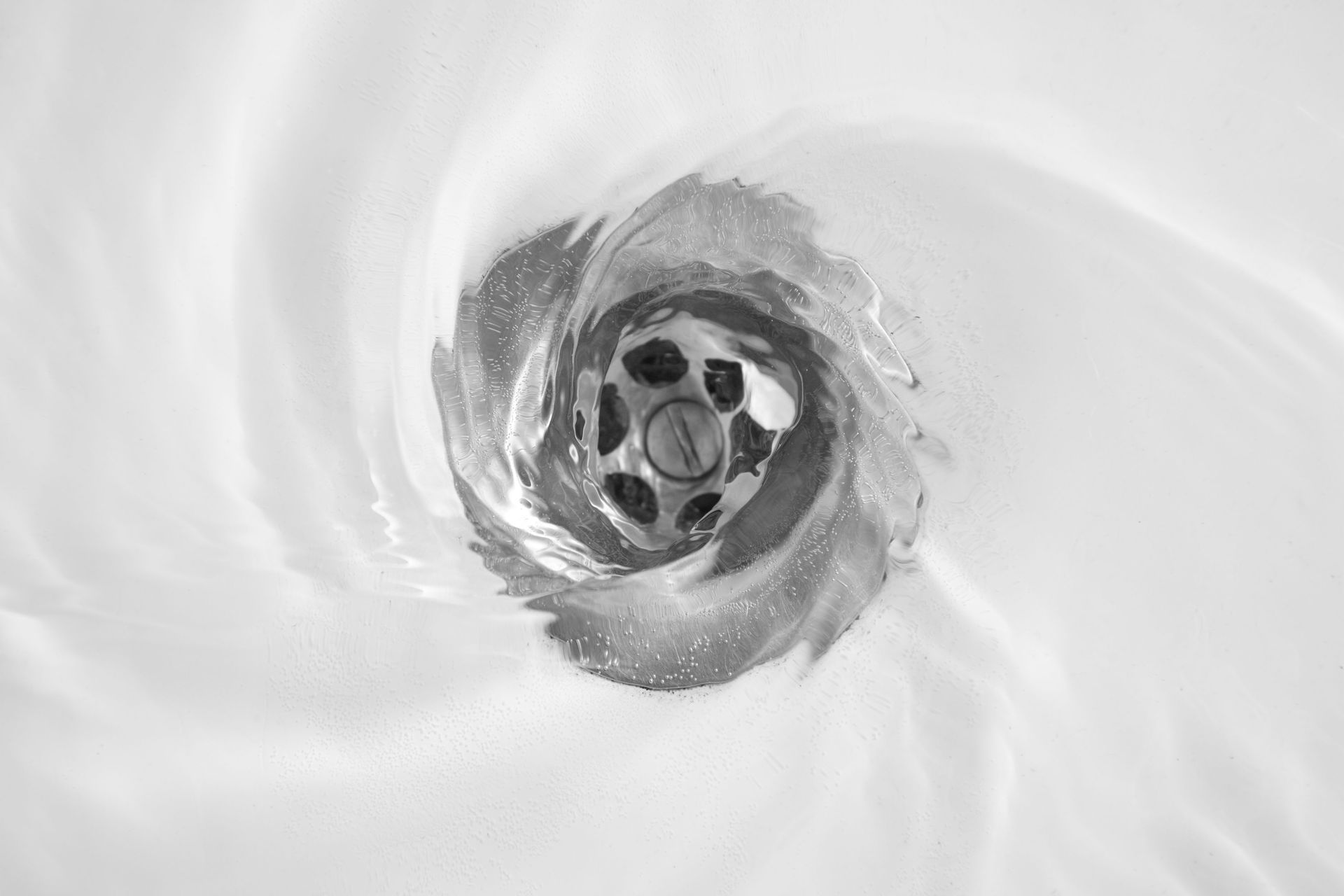
A properly functioning plumbing system is essential for keeping a home or business clean, comfortable, and convenient. Drains are used throughout the day in kitchens, bathrooms, laundry rooms, and other areas of a property, making even a minor problem difficult to ignore. Slow drainage, unpleasant odors, standing water, and recurring clogs can all indicate that something is interfering with normal water flow. While some issues may appear simple, the source of a drainage problem is not always visible from inside the property. Buildup can develop gradually inside pipes, while more serious concerns may originate farther down the plumbing system. Understanding common drain problems can help property owners recognize when professional attention may be necessary. Addressing drainage issues promptly can also help prevent inconvenience and reduce the risk of additional plumbing damage. Learning how professionals diagnose and resolve these problems can make it easier to protect the condition and performance of a property's plumbing system.
Clearing Stubborn Drain Clogs
Clogs are among the most common drainage problems experienced by homeowners and business owners. Hair, soap residue, food particles, grease, and other materials can gradually accumulate inside pipes. As the buildup increases, water may begin draining more slowly until the pipe becomes partially or completely blocked. Kitchen drains often experience clogs caused by grease and food waste, while bathroom drains may collect hair and personal care product residue. Plungers and basic cleaning methods may sometimes provide temporary relief for minor blockages. However, recurring clogs may indicate that the problem is located deeper within the plumbing system. Professional drain cleaning services can remove accumulated materials using equipment designed to address the source of the obstruction. Proper cleaning can help restore normal water flow without relying on repeated temporary solutions.
Addressing Slow-Draining Fixtures
A slow drain is often an early warning sign that buildup is beginning to restrict water flow. Property owners may notice that sinks, tubs, or showers take longer than usual to empty after use. This problem can gradually worsen if the materials inside the pipe continue accumulating. In some cases, multiple slow drains throughout a property may suggest a larger issue within the main drainage system. Professionals can inspect the affected plumbing and determine whether the restriction is isolated or part of a broader problem. Specialized tools may be used to identify where the obstruction is located and what is causing it. Drain cleaning services can remove buildup before the restriction develops into a complete blockage. Taking action when drainage first becomes noticeably slower can help property owners avoid more disruptive plumbing issues later.
Removing Grease and Food Buildup
Kitchen drains face unique challenges because food particles and cooking grease can enter the plumbing system during daily use. Grease may appear harmless when it is warm and liquid, but it can cool and stick to the inside surfaces of pipes. Over time, this buildup can trap additional debris and create a significant obstruction. Certain food materials can also swell or collect inside pipes, contributing to restricted drainage. Running water may not always be enough to remove these substances once they begin accumulating. Professionals can use appropriate cleaning methods to break apart and remove stubborn buildup from inside the drain line. According to IBISWorld, the U.S. market for septic, drain, and sewer cleaning services reached approximately $7.8 billion in 2024, reflecting the continued demand for professional solutions to drainage and sewer problems. Regular attention to kitchen drainage habits and professional maintenance when necessary can help reduce the likelihood of severe grease-related blockages.
Eliminating Unpleasant Drain Odors
Unpleasant odors coming from a drain can make kitchens, bathrooms, and other spaces uncomfortable. These smells may develop when organic materials collect inside the plumbing and begin to break down. Bacteria and residue can also contribute to persistent odors that do not disappear with basic cleaning. In some cases, the smell may indicate a more significant problem involving the drain or sewer system. Property owners should avoid assuming that air fresheners or surface cleaners will solve the underlying issue. A professional inspection can help identify where the odor is coming from and whether buildup or another plumbing concern is responsible. Drain cleaning services may remove the materials contributing to the smell and restore cleaner conditions inside the pipes. Addressing unpleasant odors at their source can help improve the indoor environment and prevent the issue from repeatedly returning.
Repairing Recurring Drain Blockages
A drain that continues clogging after repeated attempts to clear it may have a deeper underlying problem. Temporary methods can sometimes create an opening in the blockage without removing all the accumulated material. This allows water to flow for a short period before the obstruction develops again. Recurring problems may also result from damaged pipes, tree root intrusion, or issues farther down the drainage line. Professional plumbers can use diagnostic equipment to investigate conditions that cannot be seen from the surface. Identifying the true cause is important because repeated temporary treatments may not provide a lasting solution. Drain cleaning services can be combined with additional repairs when a blockage is connected to damage or another structural concern. A thorough approach can help property owners avoid repeatedly dealing with the same frustrating plumbing problem.
Managing Tree Root Intrusion
Tree roots can create serious drainage issues when they grow toward underground pipes. Small cracks or openings in older plumbing lines may allow roots to enter in search of moisture. Once inside, roots can continue growing and eventually restrict the flow of wastewater through the pipe. Property owners may notice slow drains, backups, or recurring clogs when root intrusion affects the plumbing system. The location and severity of the problem can be difficult to determine without specialized inspection equipment. Professionals may use camera technology to examine the inside of underground pipes and identify root growth. Depending on the condition of the plumbing, the solution may involve clearing the roots, repairing damaged sections, or replacing portions of the line. Addressing root intrusion promptly can help prevent the obstruction from causing more extensive damage to the drainage system.
Preventing Sewer Line Backups
Sewer line backups are among the more serious drainage problems a property can experience. Wastewater may have difficulty leaving the building when the main sewer line becomes blocked or damaged. Multiple drains may begin showing problems at the same time, which can be a warning sign of a larger system issue. Backups can create unsanitary conditions and may cause significant damage if they are not addressed quickly. Professional plumbers can evaluate the main line and determine whether a blockage, damaged pipe, or external issue is affecting drainage. Specialized cleaning and inspection methods can help identify the condition of the sewer line. Property owners should avoid delaying professional assistance when wastewater begins backing up into sinks, tubs, or other fixtures. A prompt response can help limit the disruption and protect the property from additional damage.
Maintaining Drains Before Problems Develop
Preventative maintenance can help property owners reduce the likelihood of unexpected drainage problems. Being mindful of what enters sinks, toilets, and other plumbing fixtures is an important first step. Grease, large food particles, wipes, and other unsuitable materials should not be allowed to enter the drainage system. Regular cleaning can also help reduce the gradual accumulation of soap, hair, and debris. However, household cleaning methods may not remove buildup that has collected farther inside the plumbing system. Professional drain cleaning services can provide a more thorough approach when routine maintenance is needed. Scheduling occasional inspections may also help identify developing concerns before they lead to complete blockages or backups. A proactive approach to drain care can support better plumbing performance and reduce the inconvenience of unexpected repairs.
If your property is experiencing slow drains, stubborn clogs, unpleasant odors, or recurring plumbing problems, Michael's Plumbing & Heating, Inc is ready to help. Contact us today for professional plumbing solutions that can restore proper drainage and help keep your system working efficiently.
Share On: